FIFA Club World Cup Explained: Format, Qualification Rules and Why It Matters
Learn everything about the FIFA Club World Cup, including how teams qualify, the tournament format, its history, and why it has become one of football’s biggest competitions.
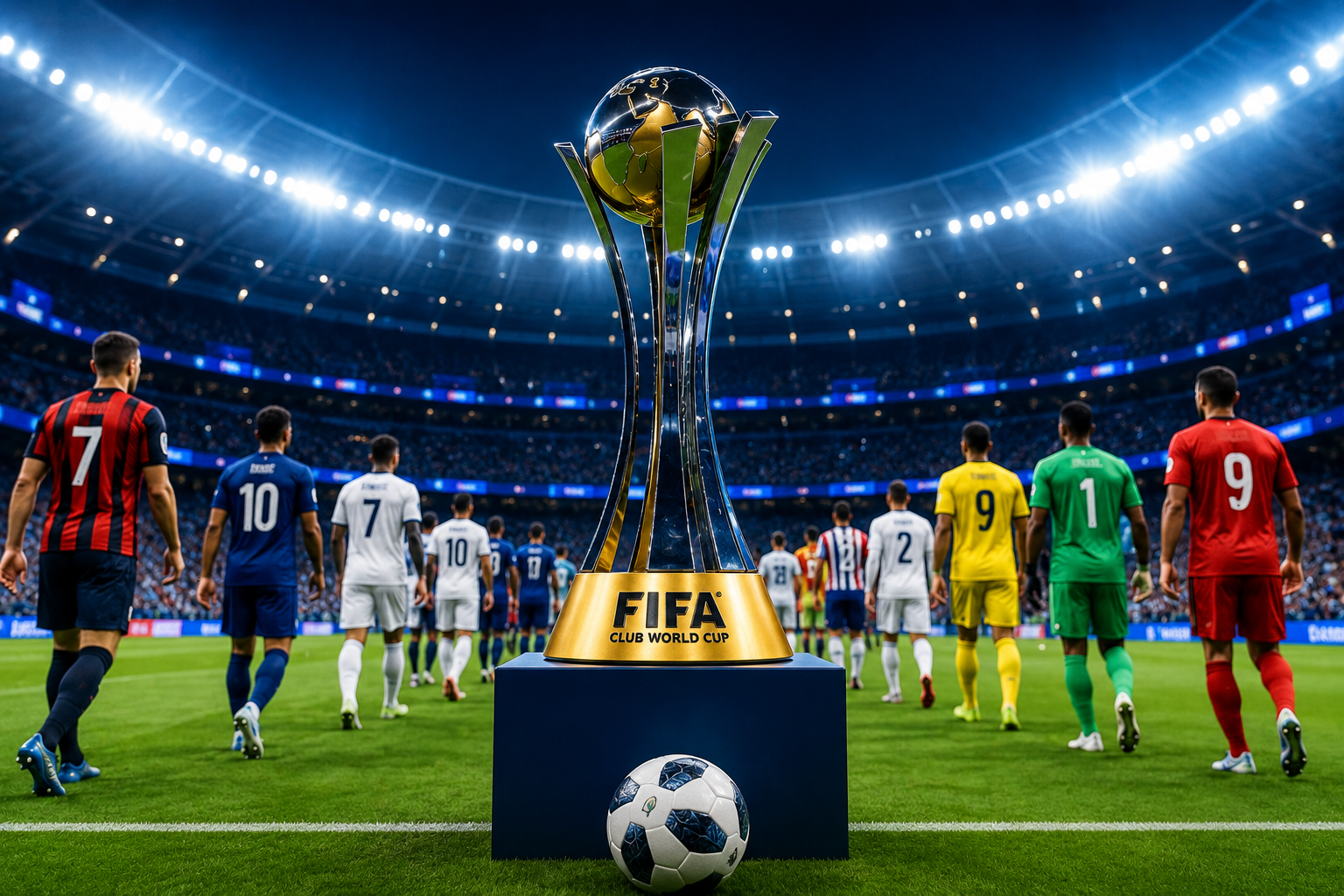
The FIFA Club World Cup is one of the most prestigious competitions in club football. Unlike domestic leagues or continental tournaments, it brings together champion clubs from different parts of the world to compete for the title of the world’s best football club.
With FIFA introducing an expanded tournament format, the competition has become bigger, more competitive, and more attractive to fans worldwide.
In this guide, we explain how the FIFA Club World Cup works, how clubs qualify, and why it has become such an important event in modern football.
What Is the FIFA Club World Cup?
The FIFA Club World Cup is an international football tournament organised by FIFA. It features leading clubs from each continental confederation competing for the title of world champions.
Rather than representing their countries, clubs represent the leagues and continental competitions they have won.
How Do Clubs Qualify?
Teams qualify through their performances in continental club competitions.
The participating clubs typically come from:
• UEFA (Europe)
• CONMEBOL (South America)
• CAF (Africa)
• AFC (Asia)
• Concacaf (North and Central America & the Caribbean)
• OFC (Oceania)
In the expanded tournament, additional qualification places are awarded based on continental rankings and performances over several seasons.
How Does the Tournament Work?
The expanded FIFA Club World Cup features 32 clubs divided into groups.
Group Stage
• Clubs are split into groups.
• Each team plays every other team in its group once.
• Teams earn:
• 3 points for a win
• 1 point for a draw
• 0 points for a loss
The top teams from each group advance to the knockout stage.
Knockout Stage
The knockout rounds include:
• Round of 16
• Quarter-finals
• Semi-finals
• Final
If a knockout match is level after 90 minutes, extra time and, if necessary, a penalty shootout decide the winner.
Why Was the Tournament Expanded?
FIFA expanded the competition to:
• Increase global participation.
• Give more clubs the chance to compete internationally.
• Create a tournament similar in prestige to the FIFA World Cup for national teams.
• Grow football in emerging markets.
• Generate more competitive matches between clubs from different continents.
Why Is the Club World Cup Important?
Winning the FIFA Club World Cup means a club can call itself the best club team in the world for that edition of the competition.
The tournament also offers:
• International recognition.
• Increased commercial opportunities.
• Valuable experience against clubs from different football cultures.
• Greater global exposure for players and coaches.
Challenges of the Competition
Despite its prestige, the tournament faces some challenges.
Fixture Congestion
Top clubs already play many domestic and international matches each season. Adding another major tournament increases the workload on players.
Travel Demands
Teams often travel long distances, which can affect preparation and recovery.
Different Playing Styles
European clubs may face technically gifted South American teams, physically strong African clubs, disciplined Asian champions, or fast, direct teams from other confederations, making every match unique.
Memorable Moments
Over the years, the FIFA Club World Cup has produced unforgettable matches, surprise results, and dramatic finals.
It has allowed clubs from outside Europe and South America to test themselves against some of the biggest names in world football while giving fans exciting cross-continental matchups that rarely happen in regular competitions.
Who Are the Favourites?
European clubs often enter the tournament as favourites because of the strength and financial power of their domestic leagues.
However, football is unpredictable, and clubs from South America, Africa, Asia, North America, and Oceania have all produced memorable performances that show no team can be underestimated.
The FIFA Club World Cup has evolved from a small international competition into one of the biggest events in club football. By bringing together champion clubs from around the world, it celebrates different football cultures and gives fans the opportunity to watch matches that would otherwise be impossible.
As the tournament continues to grow, it is expected to become an even more important part of the global football calendar, offering players, clubs, and supporters the chance to compete on the biggest club stage in world football.