
WNBA Fast Breaks: How Teams Turn Defense Into Quick Points
Learn how WNBA teams use fast breaks to turn rebounds, steals and defensive stops into quick scoring opportunities before the defense gets set.
What Is a Fast Break?
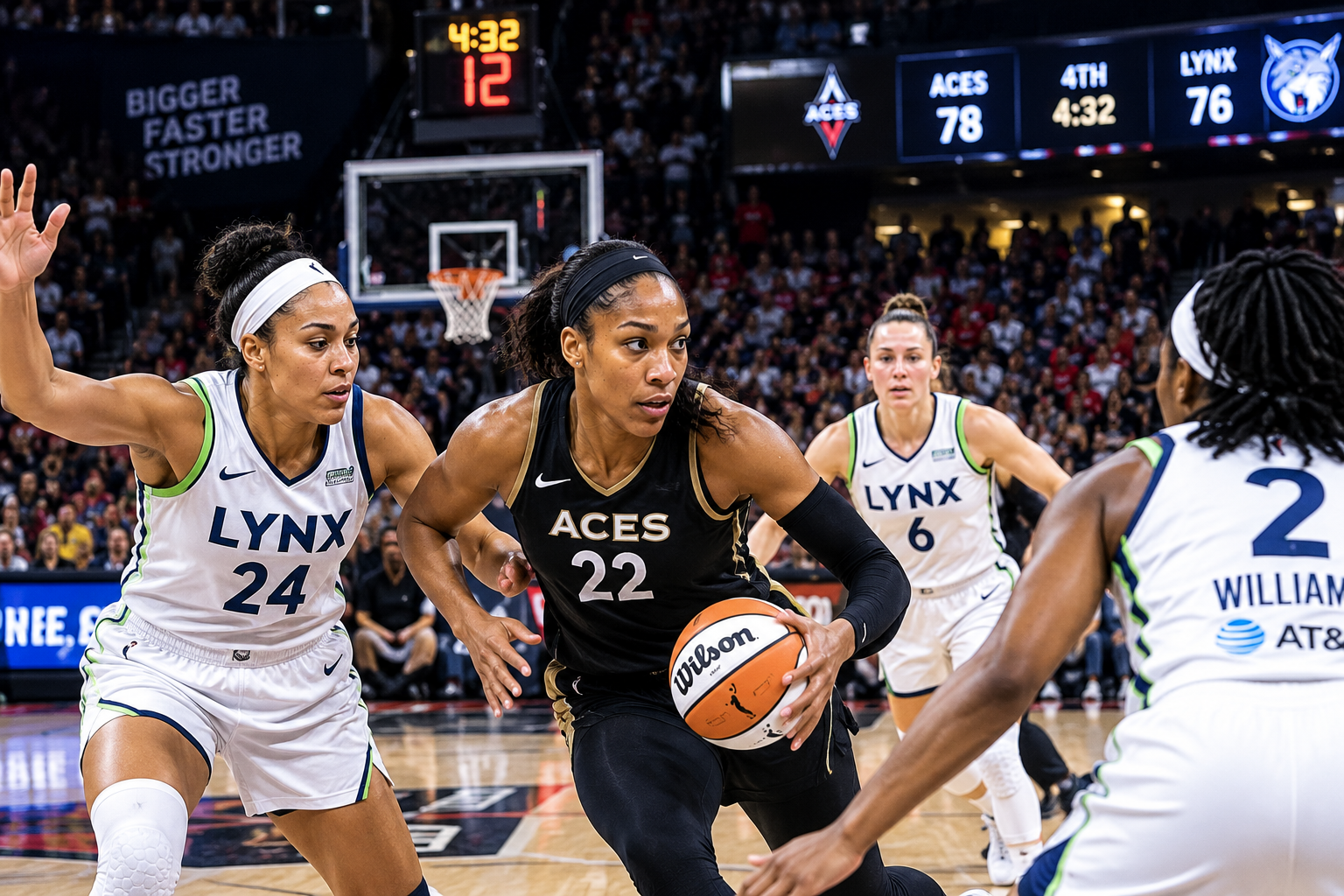
A fast break happens when a team quickly moves from defense to offense after gaining possession.
Instead of slowly setting up in the half court, players sprint toward the other basket looking for an early scoring chance.
Fast breaks can create some of the most exciting moments in WNBA basketball.
How a Fast Break Starts
A fast break can begin after a defensive rebound, steal, blocked shot or another change of possession.
Once the team gets the ball, players immediately look up the court.
The goal is to attack before the opposing defense has enough time to get organized.
The Importance of Speed
Speed is one of the biggest parts of a successful fast break.
Players need to run quickly while still making smart decisions.
A player who moves too slowly may allow defenders to get back and stop the opportunity.
The Ball Handler
The player with the ball has an important decision to make.
She needs to see where her teammates are and understand how many defenders are returning.
She can drive toward the basket, pass ahead or slow down and set up the offense.
Running the Lanes
Players without the ball also have important jobs.
They sprint into open areas of the court, often using different lanes.
This gives the ball handler passing options and makes it harder for defenders to cover everyone.
Passing Ahead
A quick pass can make a fast break even more dangerous.
Instead of dribbling the entire length of the court, a player may pass to a teammate who is already ahead.
A well timed pass can lead to an easy basket.
Finishing at the Basket
Fast breaks often create opportunities near the basket.
A player may receive a pass while running toward the hoop and finish with a layup.
Because the defense is still recovering, these chances can be easier than contested half court shots.
Three Point Opportunities
Not every fast break ends with a layup.
If defenders protect the basket, a player may pass the ball back to an open teammate outside the three point line.
This can create a clean long range opportunity.
Defensive Rebounds Start Fast Breaks
A strong defensive rebound can immediately begin an attack.
The rebounder may make an outlet pass to a guard, who then pushes the ball up the court.
This is one reason defensive rebounding and transition offense are closely connected.
Steals Create Chances
Steals can be especially useful for fast breaks.
When a defender takes the ball away, the opposing team is often spread across the court.
That can leave open space for an immediate attack.
Not Every Fast Break Should Be Forced
Players still need to make smart decisions.
If the defense gets back quickly, forcing an attack may lead to a turnover.
Sometimes the best choice is to slow down and run the normal offense.
Communication During Transition
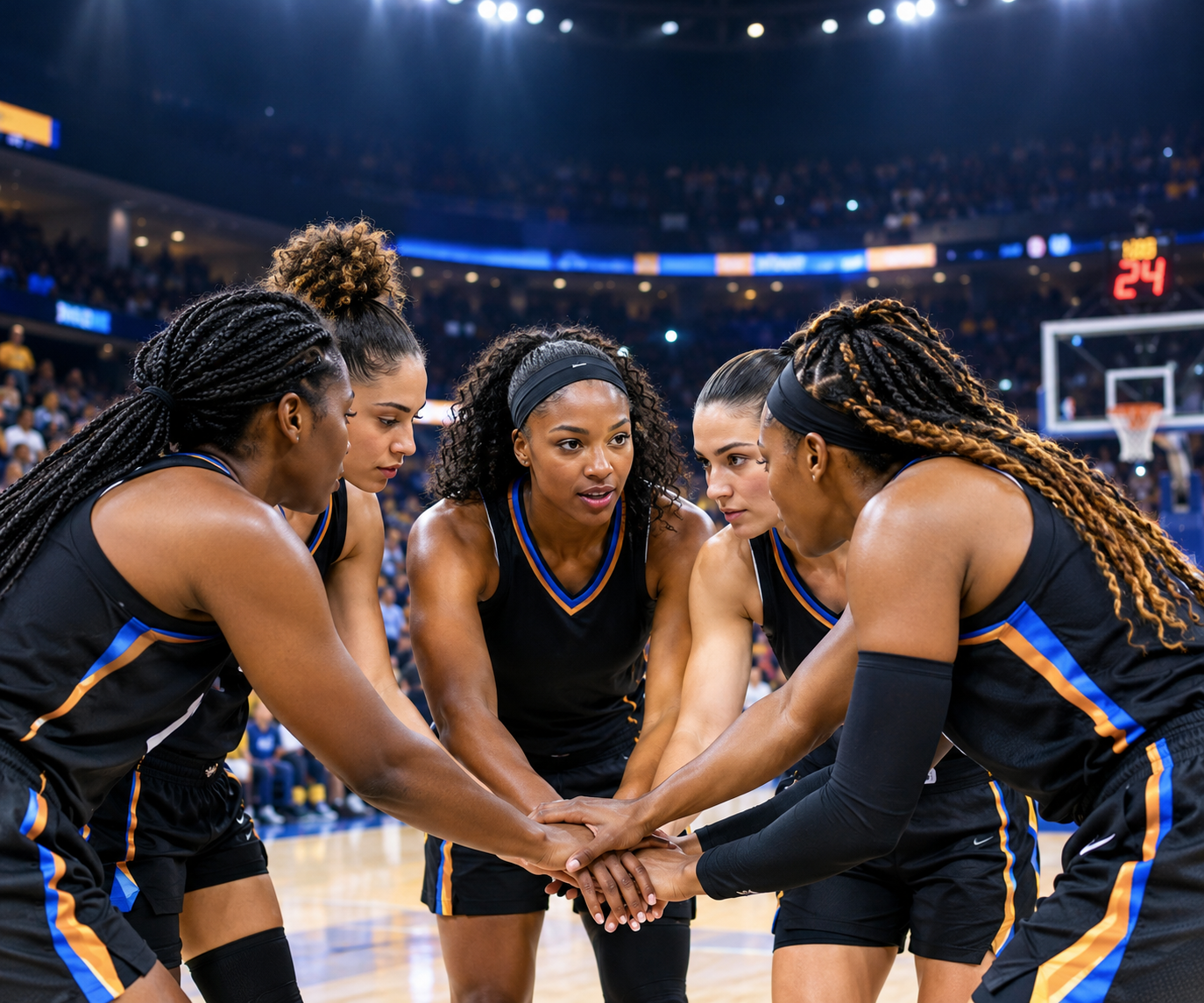
Players need to communicate quickly during a fast break.
They may call for the ball or point toward an open area.
Good communication can help the team avoid confusion while moving at high speed.
Defense Must Transition Too
After losing the ball, the defending team must react quickly.
Players sprint back toward their own basket and try to protect the most dangerous areas.
A team that gets back quickly can prevent easy fast break points.
Fast Breaks and Team Fitness
Running the court requires energy.
Players need the conditioning to sprint repeatedly during a game.
Teams that want to play at a fast pace must be prepared for the physical demands that come with it.
Fast Breaks in Close Games
Fast breaks can be especially valuable during important moments.
A quick basket can change the momentum of a game.
However, players still need to balance speed with smart decision-making.
Young Players and Transition Basketball
Fast breaks can help young players develop decision making skills.
They learn how to recognize space, pass while moving and choose between attacking the basket or slowing down.
These skills can become useful throughout their careers.
Why Fans Should Watch Fast Breaks
The next time you watch a WNBA game, pay attention immediately after a steal or defensive rebound.
Watch how quickly players move forward.
Notice who runs the lanes, who handles the ball and how the defense reacts.
You may see that a scoring opportunity can develop within only a few seconds.
WNBA fast breaks show how quickly basketball can change.
A defensive rebound or steal can become a scoring opportunity almost immediately.
Successful transition basketball requires speed, passing, communication, spacing, fitness and smart decisions.
The fastest team is not always the one that scores. Players must know when to attack and when to slow down.
That balance is what makes fast break basketball exciting and effective.