WNBA Fast Breaks: How Teams Turn Defense Into Quick Points
Learn how WNBA teams use fast breaks to turn strong defense into quick scoring chances through speed, passing, teamwork and smart decisions.
What Is a Fast Break?
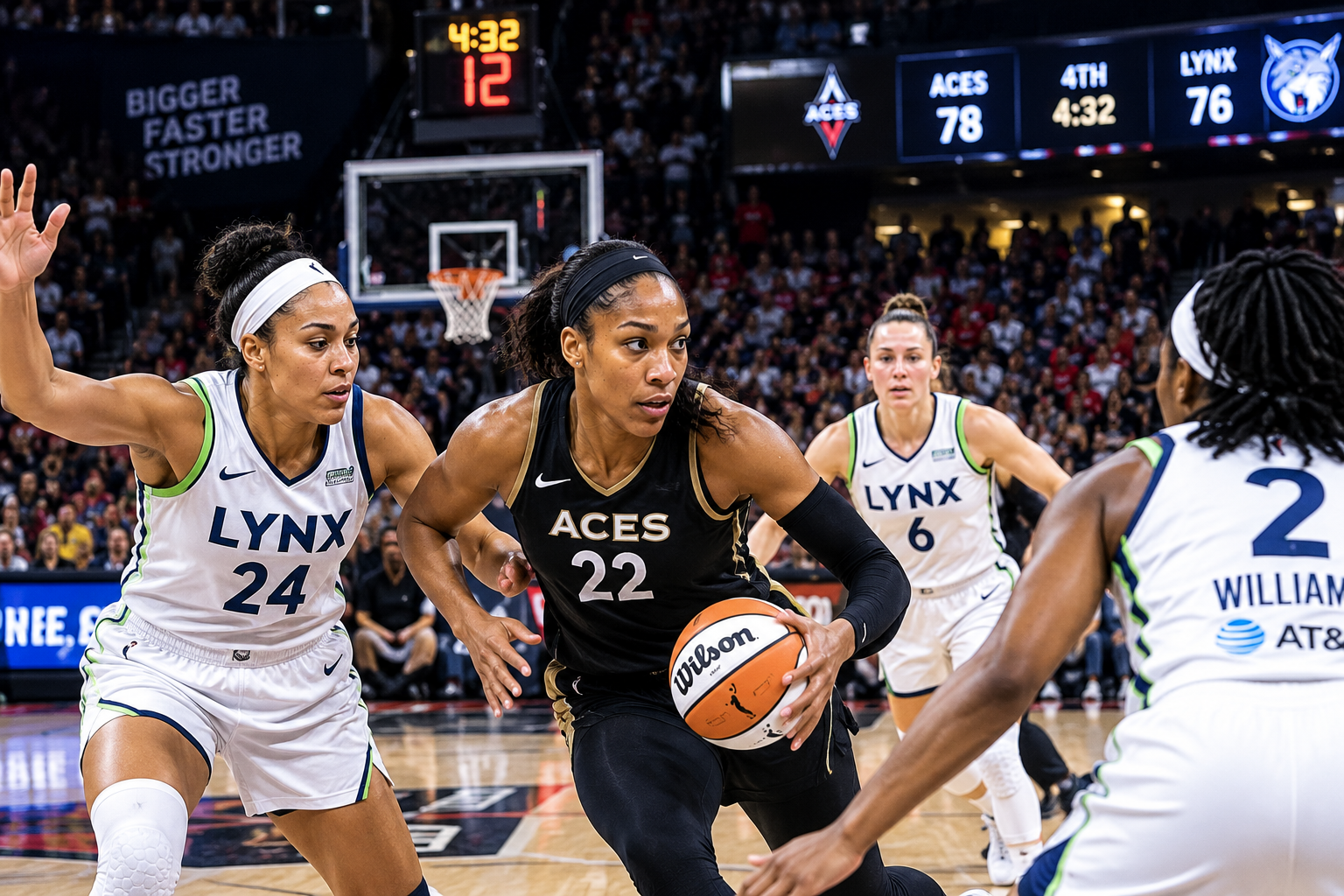
A fast break happens when a team quickly moves from defense to offense after gaining possession of the basketball.
Instead of waiting for every player to get into a normal offensive position, players run toward the other end of the court.
The goal is to attack before the opposing defense has enough time to get organized.
Fast breaks can lead to easy baskets, open shots and exciting moments for fans.
How Does a Fast Break Start?
A fast break can begin after a defensive rebound, steal or blocked shot.
Once a team gets the ball, the player with possession looks up the court.
Teammates immediately start running into open spaces.
A quick pass can then put a player near the basket before defenders are ready.
Speed Is Important
Speed is one of the biggest parts of a successful fast break.
Players need to run quickly while still staying under control.
A fast player can sometimes get behind the defense and receive a pass for an easy layup.
However, speed alone is not enough. Players also need to make good decisions while moving quickly.
Passing Makes Fast Breaks More Effective
The player who gets the rebound or steals the ball does not always need to run all the way to the basket.
A quick pass may be the better choice.
For example, a guard may receive the ball near half court and immediately pass to a teammate running ahead.
Good passing can make a fast break quicker and harder for defenders to stop.
Three Players Can Attack Together
Fast breaks do not always involve only one player.
Two or three teammates may run together.
The player with the ball can attack the middle while teammates run along both sides.
This forces defenders to make difficult choices.
If a defender moves toward the ball, a teammate may become open.
Making the Right Decision
Fast breaks happen quickly, so players have very little time to think.
They may need to decide whether to shoot, pass or slow down.
A player who rushes into a crowded area may lose the ball.
A smart player understands when to continue attacking and when to stop and organize the offense.
Defense Can Stop a Fast Break
The opposing team will try to prevent easy points.
Defenders may sprint back immediately after losing possession.
They may try to stop the ball first and then find their assigned players.
Good defensive communication is important because one missed assignment can lead to an easy basket.
Rebounding Can Start the Attack
Defensive rebounding is closely connected to fast break basketball.
When a player grabs a defensive rebound, the team can quickly move forward.
This is one reason strong rebounders are so valuable.
A rebound does not just end the opponent's possession. It can also begin a new scoring opportunity.
Guards Often Lead Fast Breaks
Point guards and other quick ball handlers often play a major role in fast breaks.
They can push the ball forward, control the pace and find teammates.
But any player who gets the ball can start a fast break.
Centers and forwards can also make quick passes that begin attacks.
Young Players and Fast Breaks
Young WNBA players often bring energy and speed to the game.
Fast breaks can allow them to use their athletic ability while learning how to make smart decisions.
Coaches can teach young players when to attack and when to slow down.
Learning this balance can help players become more complete athletes.
Fast Breaks Can Change Momentum
A successful fast break can give a team more than two points.
It can also excite teammates and fans.
Several fast break baskets in a short period can change the feeling of a game.
The opposing team may be forced to call a timeout or change its defensive approach.
Fast Breaks in Close Games
Fast breaks can be especially valuable when a team needs points quickly.
If a team gets a steal and scores before the defense is ready, it may reduce a deficit in seconds.
However, teams must still avoid unnecessary risks.
A bad pass during a fast break can turn a scoring opportunity into a turnover.
Why Fans Love Fast Breaks
Fast breaks are some of the most exciting moments in basketball.
The action moves quickly from one end of the court to the other.
Fans may see a long pass, a fast drive, a powerful finish or an open three-pointer within only a few seconds.
These plays show the speed and athletic ability of WNBA players.
WNBA fast breaks show how quickly basketball can change.
A defensive rebound, steal or blocked shot can become a scoring opportunity almost immediately.
Successful fast breaks require speed, passing, teamwork, awareness and smart decisions.
The fastest team is not always the team that scores. Players must know when to attack and when to slow down.
For fans, watching how a team moves from defense to offense can reveal an important part of basketball strategy.