WNBA Player Development: How Stars Keep Improving Throughout Their Careers
Learn how WNBA players develop their skills, improve weaknesses, study opponents and adapt their game throughout their professional basketball careers.
What Is Player Development?
Player development is the process of improving a basketball player's skills, understanding and physical ability over time.
A player does not stop learning after reaching the WNBA.
Professional basketball is highly competitive, so players continue working on their game throughout their careers.
They may improve their shooting, passing, defense, fitness, decision making and other skills.
Why Development Matters
Every player has strengths and weaknesses.
A great shooter may need to improve her defense. A strong defender may want to become a better scorer.
Working on different areas can make a player more complete and useful to her team.
Development can also help players adjust when opponents learn how to defend them.
Improving Shooting
Shooting is one area many players continue to work on.
Players may practice three pointers, mid range shots, free throws and shots around the basket.
Repetition helps players become more comfortable with different types of shots.
Building Better Ball Handling Skills
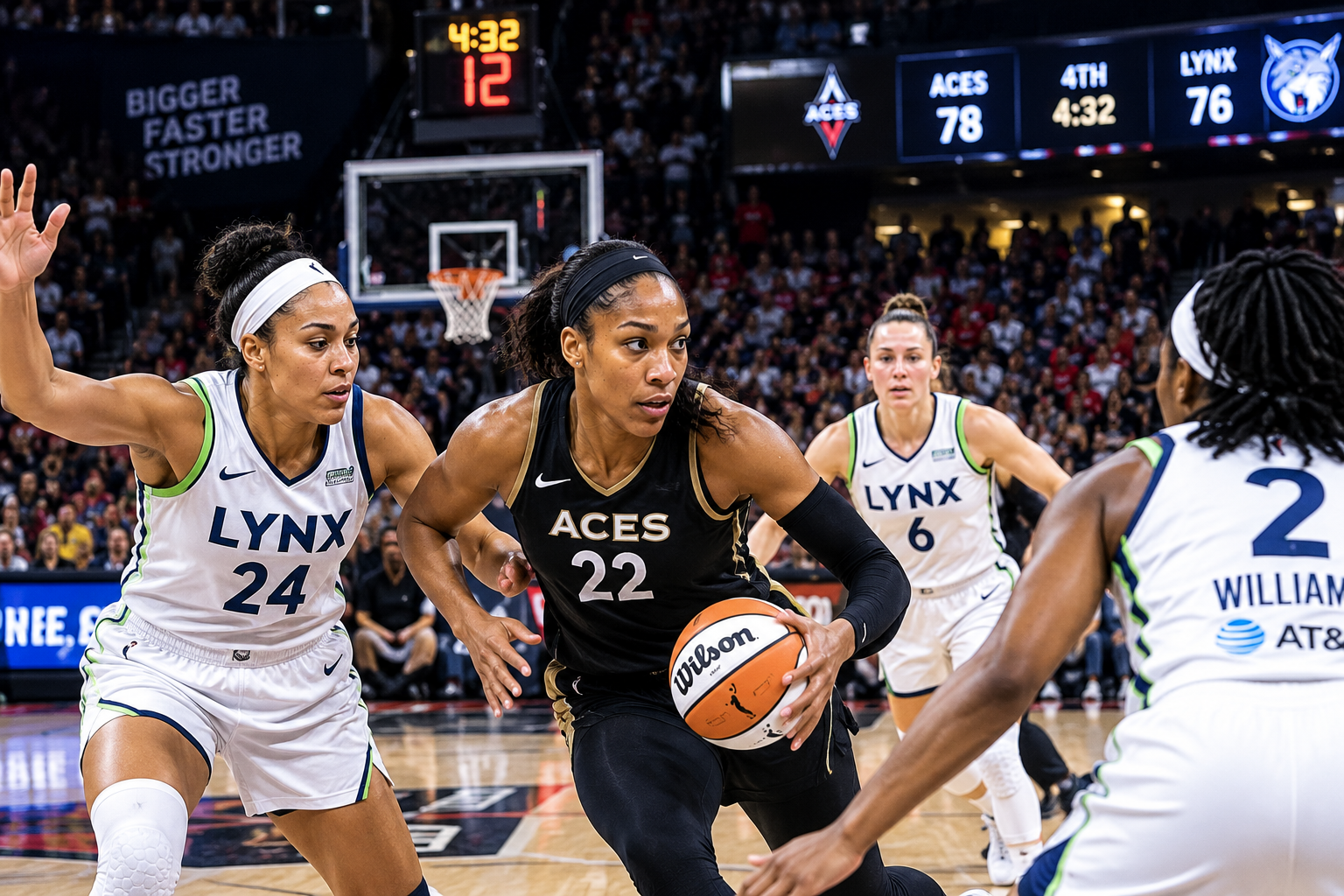
Ball handling is important for guards and increasingly valuable for forwards and centers.
A player who can safely dribble under pressure has more options on offense.
She can attack the basket, create space or move the ball to a teammate.
Becoming a Better Defender
Defensive development is another major part of professional basketball.
Players work on footwork, positioning, communication and understanding opponents.
A player may study how an opponent likes to attack and prepare specifically for that player's moves.
Learning From Coaches
Coaches play an important role in player development.
They can identify areas that need improvement and design training sessions to address them.
Players also receive feedback during games and practices.
Being willing to listen and make adjustments can help an athlete continue growing.
Studying Game Film
WNBA players can learn a lot by watching game footage.
They may review their own performances and look at their opponents.
A player can see where she made a mistake, where she found success and what she could do differently next time.
Understanding Opponents
Professional players face opponents who study them too.
A scorer may find that defenders are giving her less space.
A ball handler may face more pressure.
Players must therefore learn how opponents are changing their defense and find new ways to respond.
Physical Development
Basketball requires strength, speed and endurance.
Players work with training staff to improve their physical abilities and prepare for the demands of a professional season.
Maintaining fitness can help players perform consistently over a long schedule.
Mental Preparation
Basketball also requires strong focus.
Players face pressure from opponents, fans, coaches and their own expectations.
Learning how to stay focused after mistakes and prepare for difficult games is part of professional development.
Adapting to New Roles
A player's role can change during her career.
A young player may begin as a scorer and later become more of a playmaker.
Another player may become a stronger defender or leader as she gains experience.
Being able to adapt can help a player remain valuable to her team.
Veteran Players Continue Learning
Experience does not mean a player has finished developing.
Veterans can continue improving their game and learning new strategies.
They may also use their experience to understand opponents better and make smarter decisions.
Young Players Can Learn From Veterans
Younger players can benefit from watching experienced teammates.
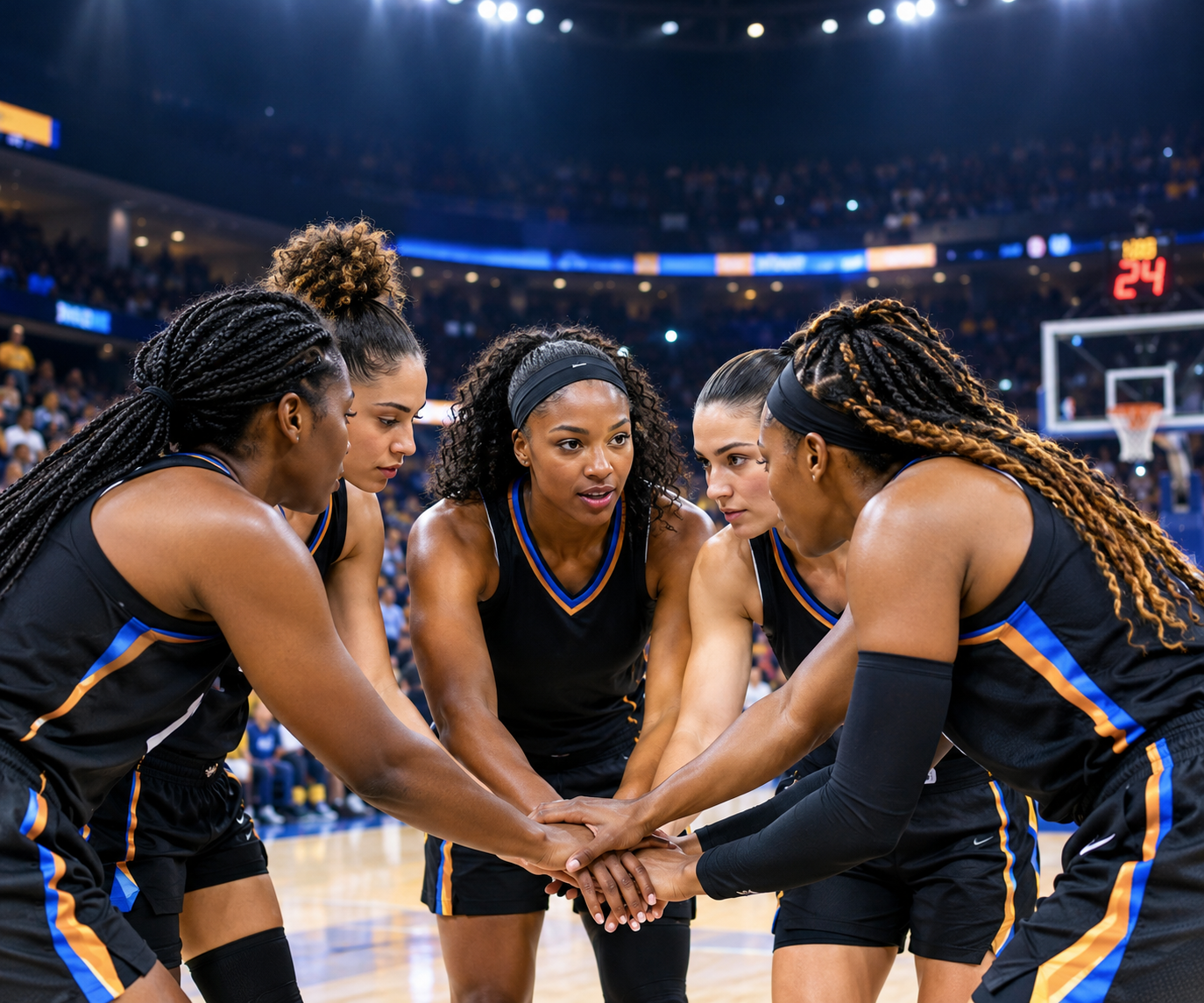
Veterans can teach them about preparation, professionalism and handling pressure.
This creates a cycle where knowledge is passed from one generation of players to another.
Development Takes Time
Not every improvement happens quickly.
Some skills require months or even years of practice.
Players may experience setbacks along the way.
The important thing is to continue working and making progress.
Why Player Development Helps the WNBA
When players improve, the quality of the league can improve as well.
Better shooting, stronger defense, smarter passing and more versatile players can make games more competitive.
Player development also helps younger athletes prepare for bigger roles in the future.
WNBA player development is a continuous process.
Professional players keep working on their skills, studying opponents and learning from coaches and teammates.
The best development is not about becoming perfect overnight. It is about making small improvements and becoming more complete over time.
For fans, watching a player's growth from one season to another can be one of the most interesting parts of following the WNBA.