WNBA Players After Basketball: Life and Careers Beyond the Court
Discover what happens when WNBA players retire, how they prepare for life after basketball, and the career opportunities available beyond professional sports.
What Happens When a WNBA Player Retires?
Playing professional basketball is a dream for many young athletes. Reaching the Women's National Basketball Association (WNBA) takes years of hard work, training, sacrifice, and dedication.
However, every professional basketball career eventually comes to an end.
Some players retire after many successful seasons, while others leave the game earlier because of injuries, family responsibilities, or personal decisions. When that time comes, they must decide what they want to do next.
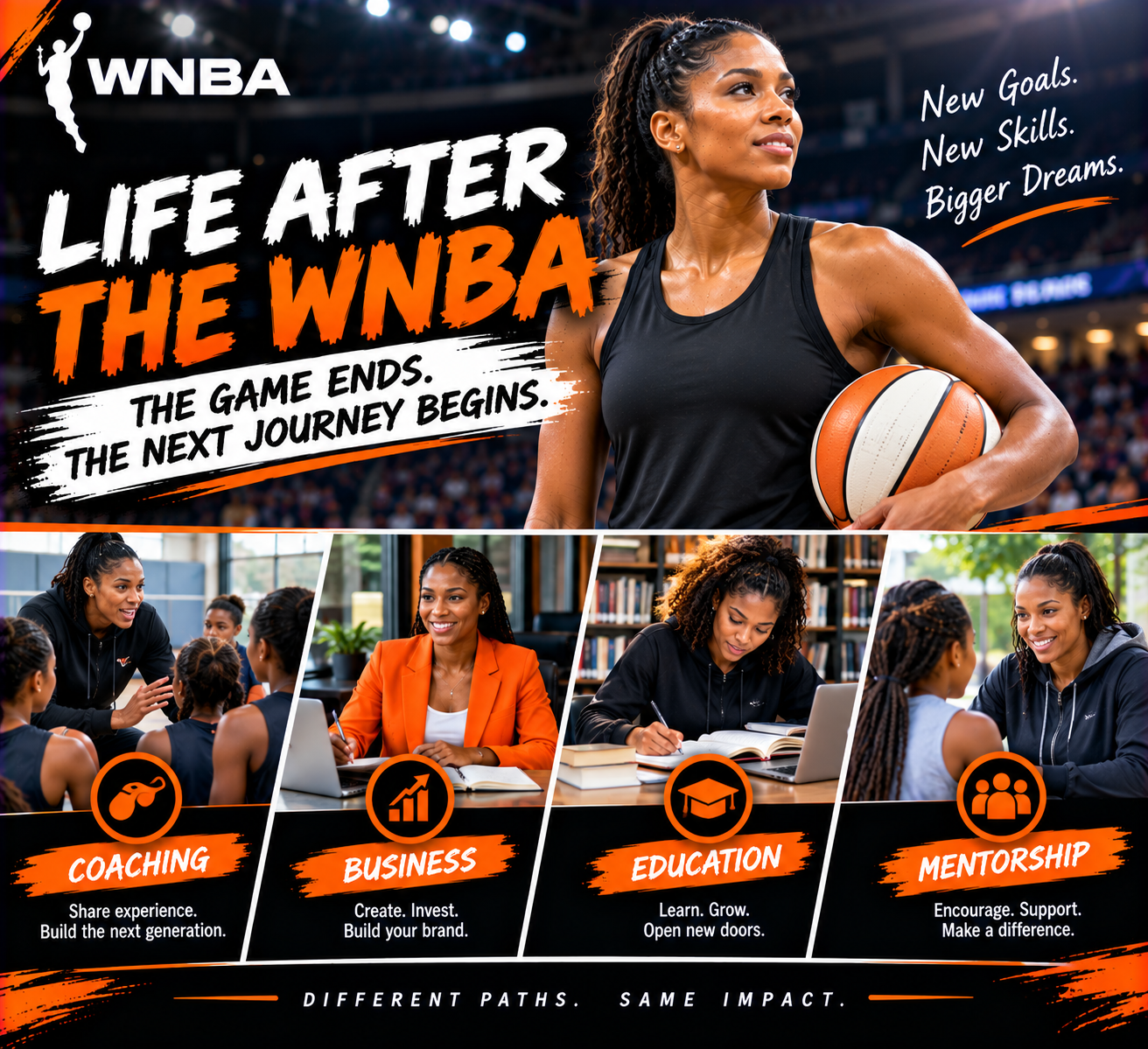
For many former WNBA players, retirement does not mean leaving sports completely. Some become coaches, sports commentators, business owners, trainers, or basketball administrators. Others return to school, enter different industries, or focus on family and personal projects.
Planning for life after basketball is important because professional sports careers can be relatively short compared with a person's working life.
In this article, we explore how WNBA players can prepare for retirement, the opportunities available after basketball, and why young athletes should think about their future beyond the court.
1. Why Basketball Careers Eventually End
Professional basketball places heavy demands on the body.
Players need strength, speed, stamina, balance, and coordination to compete against some of the best athletes in the world.
Over time, age, injuries, changing priorities, and other circumstances may affect a player's ability or desire to continue competing.
Some athletes decide to retire while they are still performing well because they want to focus on family, business, education, or other interests.
Others continue playing for many seasons before deciding that the time is right to move on.
Every player's journey is different.
Retirement does not mean an athlete has failed. It simply marks the end of one stage of life and the beginning of another.
2. Preparing for Retirement Before It Happens
One of the best ways to prepare for life after basketball is to start planning early.
Players who wait until retirement to think about their future may find the change more difficult.
While still playing, athletes can explore other interests, learn new skills, build professional relationships, and understand how to manage their finances.
For example, a player interested in business might take courses or learn from experienced business owners.
Another player may discover an interest in coaching, sports journalism, education, or community work.
These activities can help athletes understand what they want to pursue after their playing careers end.
Planning ahead does not mean losing focus on basketball. It means preparing for a future that will eventually come.
3. Becoming a Basketball Coach
Coaching is one possible career for former WNBA players.
Retired athletes often have valuable experience in training, teamwork, game preparation, and competition.
They may understand how players develop their skills, prepare for difficult opponents, and handle pressure.
Former players who enjoy teaching and helping others improve may find coaching rewarding.
They can work with young athletes, school teams, colleges, professional teams, or basketball development programmes, depending on their qualifications and experience.
However, being a great player does not automatically make someone a great coach.
Coaches must learn how to communicate clearly, plan training sessions, study tactics, and help different players develop.
Additional education and coaching qualifications may also be necessary for certain positions.
4. Working as a Basketball Analyst or Commentator
Some former players continue working in basketball through television, radio, podcasts, websites, and other media platforms.
Their experience can help them explain what happens during games.
For example, a former guard may discuss how teams organise their attacks, while a former defender may explain how players protect the basket and challenge shots.
Commentators and analysts help fans understand more than the final score.
They can explain tactical decisions, player performances, coaching changes, and important moments.
However, media work requires communication skills and the ability to explain ideas clearly.
Former players interested in this career may benefit from practising interviews, speaking on camera, writing articles, or creating basketball content online.
5. Starting a Business After Basketball
Some retired athletes choose to become entrepreneurs.
They may open businesses, invest in companies, develop sports products, or create services connected to their interests.
A former player might establish a basketball academy, launch a clothing brand, or build a business that supports young athletes.
Others may choose industries that have little connection to sports.
Running a business can offer independence, but it also involves risks.
Business owners must understand customers, costs, marketing, planning, and financial management.
Having a famous name may attract attention, but long-term success depends on providing value and making good decisions.
Former athletes who want to become entrepreneurs should research opportunities carefully and seek advice from qualified professionals when necessary.
6. Education and Learning New Skills
Education can open new opportunities for athletes after retirement.
Some players continue their studies during their basketball careers, while others return to school later.
Learning can help former athletes prepare for jobs in business, communications, education, health related fields, technology, and other industries.
A player who wants to work in sports management may study business or administration.
Someone interested in media may develop skills in journalism, broadcasting, or digital content.
The right path depends on the individual's interests, qualifications, and career goals.
It is also important to remember that learning does not stop when formal education ends.
Workshops, professional courses, mentoring, and practical experience can all help people develop new abilities.
7. Becoming a Basketball Trainer
Former WNBA players may use their experience to help other athletes improve.
They can work as skills trainers, run basketball camps, or develop programmes for young players.
Training may focus on shooting, dribbling, passing, defence, footwork, decision making, and understanding the game.
Young athletes can benefit from learning from someone who has experienced professional competition.
However, trainers need more than personal playing experience.
They must understand how to teach safely, explain techniques clearly, and adapt training to different ages and skill levels.
They should also recognise when a player needs help from a qualified medical or fitness professional.
A well run training programme can help young players develop both their basketball skills and their understanding of teamwork.
8. Supporting Young Girls in Sports
Former WNBA players can become important role models for girls who dream of playing basketball.
Their experiences may help young athletes understand the effort required to reach professional competition.
Retired players can support girls through mentoring, school visits, community events, basketball camps, and youth development programmes.
They can also encourage young athletes to take education seriously and prepare for different career opportunities.
This support matters because young players need guidance as they balance sports, school, family, and personal development.
A former professional athlete may show girls that success involves more than talent. Discipline, confidence, learning, and persistence also matter.
Helping the next generation can become a meaningful part of life after basketball.
9. Working in Sports Management
Some former players move into sports management or basketball administration.
These roles may involve helping organisations plan competitions, manage teams, develop players, organise events, or improve the business side of sports.
Former athletes may bring useful knowledge about the needs of players and the challenges of professional competition.
However, sports management also requires skills in leadership, communication, planning, budgeting, and organisation.
Additional training or work experience may be necessary.
People interested in these roles can begin by learning about sports administration, volunteering at events, or exploring entry-level opportunities with sports organisations.
For former players who still love basketball but no longer want to compete, sports management can offer another way to remain involved.
10. Managing Money After a Playing Career
Financial planning is an important part of retirement.
A professional athlete's income may change significantly when playing contracts end.
Former players still need to cover everyday expenses, housing, healthcare, family responsibilities, and future goals.
This makes budgeting and long term planning important.
Athletes can benefit from understanding their income, expenses, savings, taxes, and investment risks.
Seeking advice from qualified financial professionals may also help them make informed decisions.
It is important not to assume that a successful playing career automatically guarantees financial security.
Good money management during a career can make the transition to retirement easier.
Financial decisions should be based on personal circumstances, careful research, and professional advice where appropriate.
11. Dealing With the Emotional Side of Retirement
Retirement can bring mixed feelings.
Players may feel proud of what they achieved while also missing competition, teammates, coaches, and the excitement of game day.
Basketball may have been a major part of their identity for many years.
Leaving that routine can create uncertainty about what comes next.
Maintaining relationships with teammates, staying physically active, exploring new interests, and building a new daily routine may help during the transition.
Some former athletes may also benefit from speaking with trusted people or qualified mental health professionals if they find the change difficult.
There is no single correct way to feel about retirement.
Allowing time to adjust can help players move towards the next stage of their lives.
12. Staying Involved in the Basketball Community
Retirement does not require former players to stop supporting basketball.
They can attend games, mentor athletes, work with community organisations, support youth competitions, or contribute to programmes that improve access to sports.
Some may become ambassadors for basketball organisations or take part in events that promote women's sports.
Others may support former teammates and help younger players understand the demands of professional competition.
Staying involved can allow retired athletes to maintain connections with the game they love.
It can also help them share their experience with people who are still developing their careers.
13. Building a Personal Brand Beyond Basketball
Professional athletes may build public recognition through their performances, personalities, and work in the community.
After retirement, they can decide how they want to use that recognition.
Some may create educational content, speak at events, promote causes they care about, or develop businesses.
Others may prefer a quieter life away from public attention.
There is no requirement for every former athlete to remain in the spotlight.
For those who want to build a public profile, honesty and consistency are important.
A strong personal brand should reflect the person's real interests, values, skills, and goals rather than depend only on past sporting achievements.
14. How Families and Friends Can Help
Support from family and friends can make retirement easier.
Loved ones may help former players explore new interests, adjust to changes in routine, and manage the emotional side of leaving professional competition.
They can also provide encouragement when a player begins studying, starts a business, or enters a new career.
However, each retired athlete must be allowed to decide what comes next.
Some may want to stay close to basketball, while others may wish to explore completely different opportunities.
Listening, offering support, and respecting personal choices can help athletes make a successful transition.
15. Lessons Young Athletes Can Learn
Young basketball players can learn an important lesson from the careers of retired professionals: it is wise to prepare for life beyond sports.
Developing basketball skills is important, but education, financial knowledge, communication, and other interests can also shape a person's future.
Athletes should avoid assuming that they will play professionally forever.
Injuries, competition, changing opportunities, and personal choices can affect sporting careers.
Preparing for different possibilities does not show a lack of commitment to basketball.
Instead, it can help young athletes become more confident and prepared for life, whether they reach the professional level or choose another path
Retirement Can Be the Beginning of a New Journey
When a WNBA player retires, her contribution to sports does not have to end.
Former players can become coaches, trainers, commentators, business owners, mentors, or sports administrators. Others may return to education or build careers in completely different fields.
The most important step is preparing for the future and understanding that personal growth can continue after basketball.
A successful playing career is a major achievement, but it is only one part of a person's life.
By developing new skills, managing money wisely, maintaining supportive relationships, and exploring new interests, former athletes can build meaningful lives beyond the court.
Which career would you choose after professional basketball: coaching, sports commentary, business, or mentoring young players? Share your thoughts in the comments!